ABOUT 
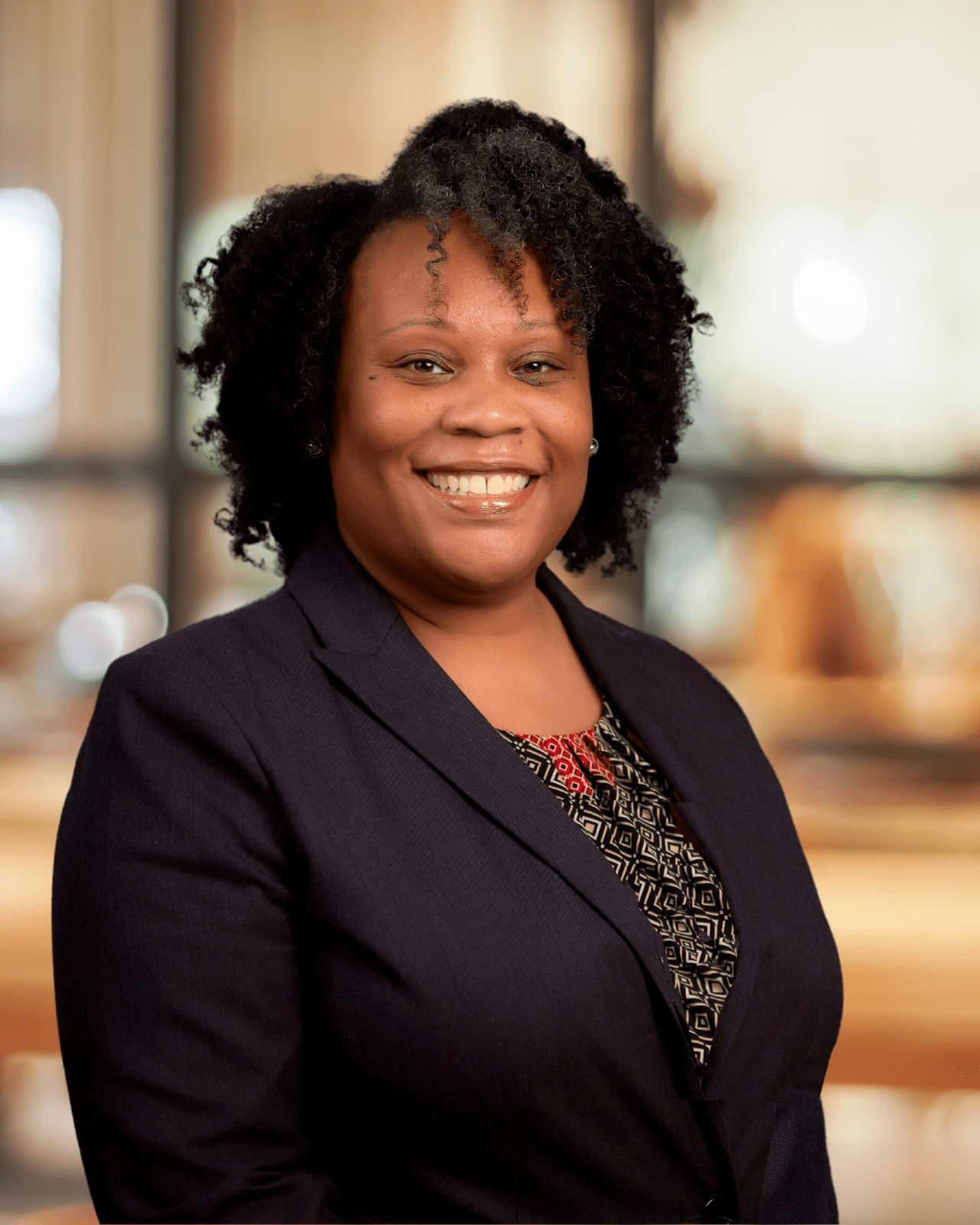
Lisa M. Watson, Esquire

I grew up in a single-parent household that relied on public assistance. It is not something I mention often, but it shapes how I practice. I know what it feels like to be a family whose circumstances are reviewed, documented, and decided on by people you have never met.

​A career spent inside these systems
​​Long before I became a lawyer, I was already doing a version of what I do now. My career began at the Philadelphia Senior Center as a financial management counselor, protecting vulnerable older adults from scams and from people, sometimes their own relatives, who tried to take their money. We visited people in their homes, and where we found signs of fraud, we stepped in with a power of attorney to manage their accounts, pay their bills, and keep anyone else from reaching them. I did not know it then, but that was the beginning of the path that led me here. 

​
​From there, my work moved to the administration and compliance side of employment and training programs built to move people toward lasting work, the same kind of support that once helped my own family. I managed the contractors who delivered those services, making sure the work met its quality and policy standards. I then spent 14 years with the Commonwealth of Pennsylvania, ultimately serving as Deputy Secretary of the Office of Income Maintenance, responsible for the Medical Assistance, SNAP, and TANF programs and the statewide workforce that administers them. Earlier, I led the Children's Health Insurance Program and directed fiscal and regulatory policy across several program areas. So, I have seen these systems from three sides: as a child in a family they supported, as someone who sat across from the people they serve and stepped in when they needed protecting, and as the executive accountable for how they operate.​

What that means for your family
​That background is unusual for a family lawyer, and it is exactly what serves my clients. I understand how caseworkers are trained and what they are required to document. I know why the forms ask what they ask, where an agency has discretion and where its hands are tied, and how a service plan is built. When a case involves a county agency, I am not learning that system for the first time.

​
​What I bring to your family is that experience, the judgment to know which questions matter, and the belief that everyone deserves to be heard by someone who sees them as a person, not a file.

Why I opened this practice
​I opened this practice to work with families directly, where the law actually meets a person's life. My clients are often facing some of the hardest decisions of their lives: about a parent who can no longer manage on their own, about a child with a disability reaching adulthood, about making a family legally whole through adoption. These are the moments I built this practice to walk through with you.

​
​Working this closely with families also does something larger. It keeps me grounded in how these systems truly land on real people, and that understanding is exactly what stronger policy depends on. The direct work and the broader picture inform each other, and I carry both into everything I do. 

Education and professional service
​​I am admitted to the Pennsylvania Bar and hold a J.D. from Temple University Beasley School of Law and a B.B.A. in Accounting from Temple University. I am currently pursuing a master's in psychology, which deepens my work with families whose circumstances turn on questions of capacity, judgment, and well-being. 
​
​I serve as Treasurer of the Honorable William W. Lipsitt American Inn of Court and am a member of the Dauphin County and Pennsylvania Bar Associations.